
When is Slate not a Slate?
Can you tell the difference?
‘Slate is a fine grained foliated homogenous metamorphic rock derived from an original shale type sedimentary rock composed of clay of volcanic ash through low grade regional metamorphism. The result is a foliated rock in which the foliation may not correspond to the original sedimentary layering. When expertly cut by striking with a specialised tool in the quarry many slates will form smooth flat sheets of stone which have long been used for roofing, floor tiles and other purposes.’ well there you have it – slate according to Wikipedia .
We are all familiar with roofing slates.
The use of welsh roofing slate expanded rapidly in the 19th century although substitute materials such as asbestos cement were first introduced in the early 20th century. Many lookalike products have been developed with varying results.
I recently inspected a house that looked on first glance to have a natural slate roof the colour of which was consistent with imported south american slate. On closer inspection there were one or two small aspects of detail which raised some suspicion and resulted in my questioning the property owners. I was astonished to find that the slates were to all intents and purposes plastic, produced from recyclable material, almost indestructible and with 50 year guarantee.
I had not come across this material before and was fortunate that the owners were able to provide the information. The product is surprisingly realistic and I must confess to being quite impressed, although I’m not sure they it be accepted on a listed building! The slates are far lighter than normal and particularly suitable where cost saving on construction is more likely to be considered, e.G. Garages and outbuildings.

More News Articles
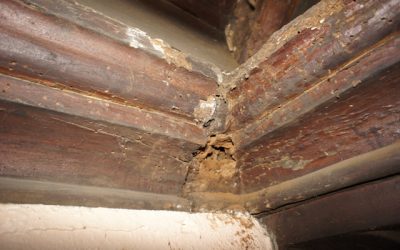
… And even more on Beetles
During the course of a recent building survey I discovered significant death watch beetle damage that clearly remained active. Significant Death Watch Beetle damage that clearly remained active. It is not unusual to find evidence of old infestations. The...
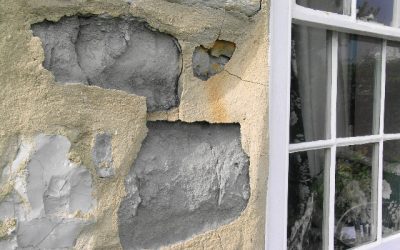
Pointing Principles
Q: why should the mortar used to bed and point masonry walls be softer and more permeable than the stone or brick forming the wall. For advice on appropriate mortar mixes call Luxton Chartered Surveyors. A: to allow moisture to migrate to and evaporate...
Insurance (or Reinstatement) Valuations
As for most risks there is a range of insurance products for houses & buildings. Standard policies that cover most typical housing stock up to policy limits such as £500,000 are now common but these do not cover old, listed or non-standard...